
Focus topic
Education and income - promoting skills
Limited access to high-quality education is one of the main drivers of persistent, intergenerational poverty.
Although school enrolment rates have increased worldwide, the quality of education remains inadequate in many countries. At the same time, millions of children still lack access to schooling, and an equally large number of young people have no access to training or employment opportunities.
The transition from education to employment is crucial for individual well-being and social prosperity in both rural and urban areas. Basic education, vocational qualifications and life skills are essential for employability, income generation and active participation in society. The private sector also plays a key role in creating sustainable jobs.
Nevertheless, many young people, especially young women and those living in rural areas, face unemployment or underemployment. Our support addresses these challenges by strengthening access to education, skills development and income-generating opportunities, thereby creating sustainable long-term prospects.
fact
Worldwide, 839 million people live in extreme poverty — 71% of them in sub-Saharan Africa.
Statista (2025). Number of people living in absolute poverty by world region from 1990 to 2024.
Our areas of action
Our activities are guided by the Sustainable Development Goals (SDGs) of the United Nations (UN).
Early childhood development
Pre-school children are supported in a child-friendly environment and prepared for primary education.
Basic education
Access to high-quality primary and secondary education is strengthened for both girls and boys.
Vocational training
Young people and adults have access to targeted vocational training, including life skills development, which enhances their employability.
Economic development
Micro, small and medium-sized enterprises drive sustainable growth and create decent jobs for marginalized and disadvantaged groups.
Our Commitment

Improve livelihoods and living conditions of rural communities by promoting access to clean water and sanitation, and strengthening educational quality, health, and economic status.

People in Madagascar organized into solidarity groups are working towards a sustainable food system and better living conditions.

The India Programme (FFVDP- Family focused village development programme) supports efforts to sustainably improve the lives of marginalised people.

Globethics is a global network of teachers and institution with the vision to embed ethics in higher education.

Very few young people in Madagascar, especially in rural areas, succeed in entering the world of work.
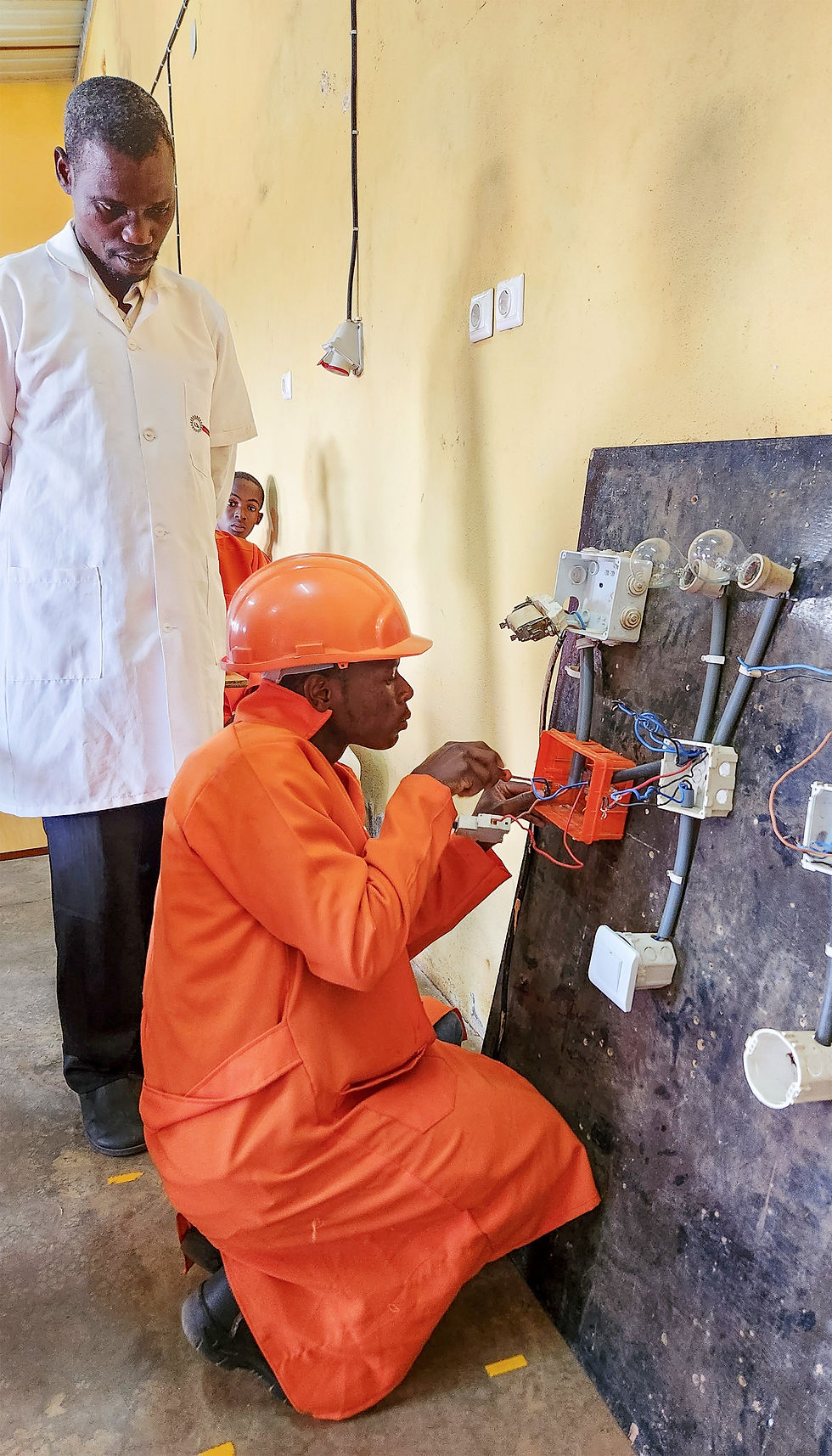
Young people enter the labour market through targeted vocational training.

For a better life in ‘Bidibidi’: better nutrition, more income and peaceful coexistence in the refugee camp settlement.

Facilitating access to advisory services and markets for smallholder farmers in order to improve their knowledge and skills.

The LIMES project is improving food security, income, environmental quality and social cohesion in nine communities in the centre of the country.